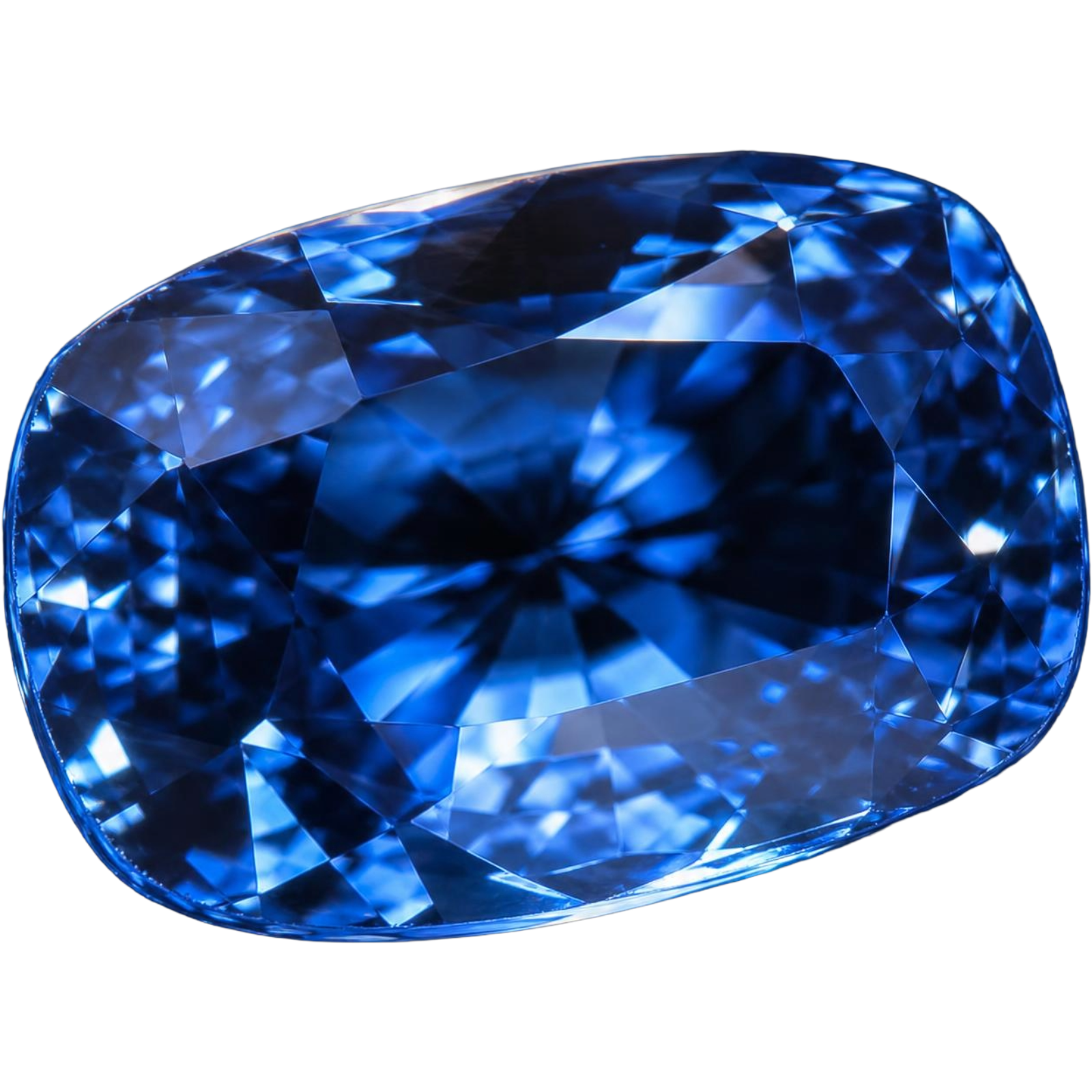
Ratna-Dwipa -
the island of gems.
For over two thousand years, one small island has supplied the world's crowns and collectors. Here is what makes a Ceylon stone, how it reaches the light, and how to read the paper that proves it.
Seven from the island's spectrum
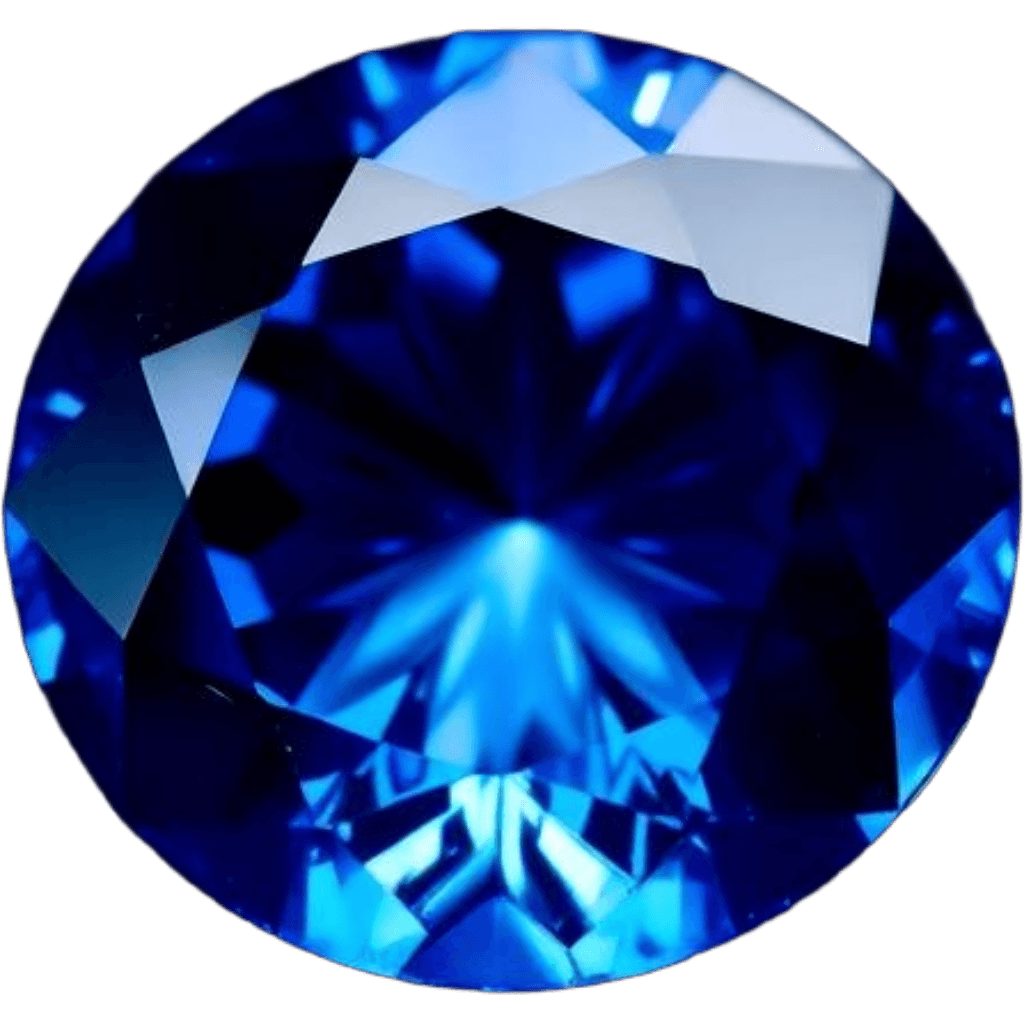
The island's signature. Cornflower to royal blue, prized unheated. The gem that made Ceylon famous.
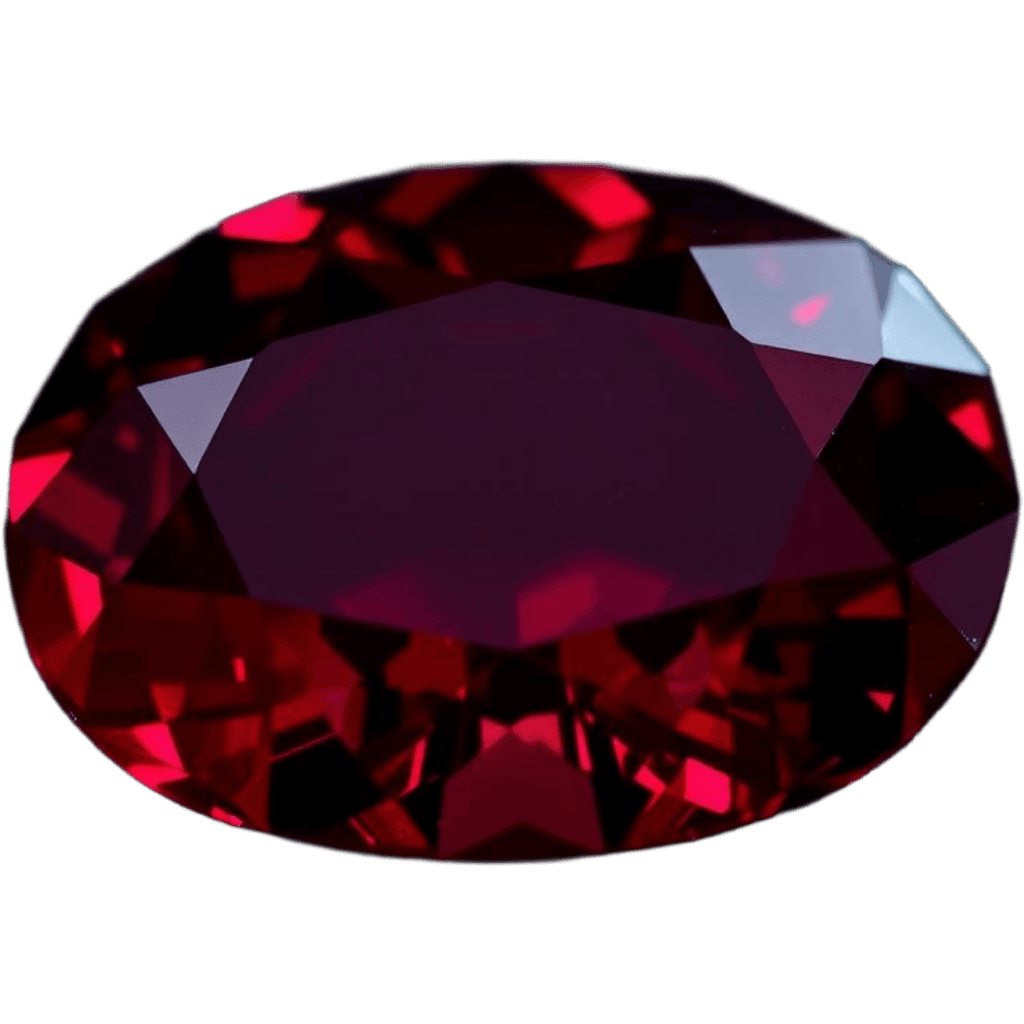
Red corundum from Elahera. Sri Lankan rubies lean pinkish-red with exceptional clarity and life.
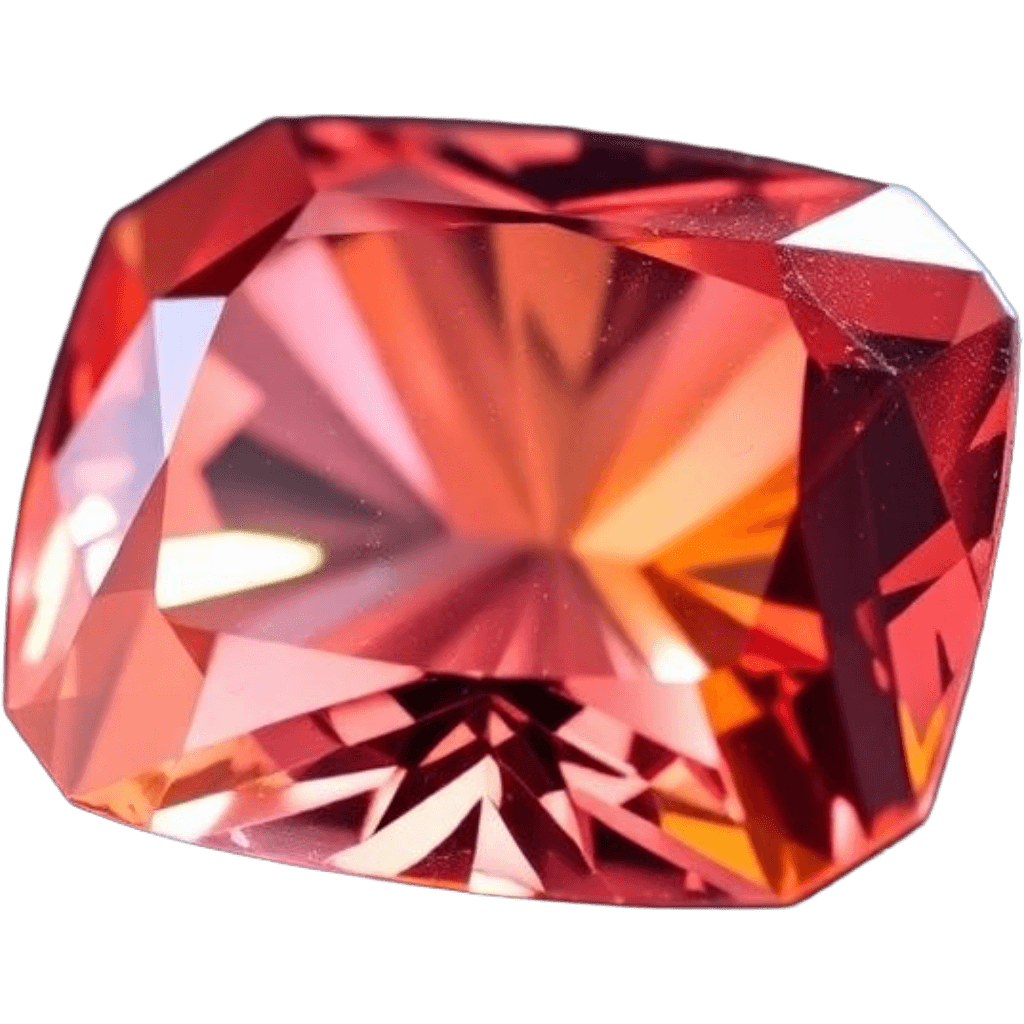
The rarest sapphire - a delicate pink-orange named for the lotus blossom. Almost uniquely Ceylonese.
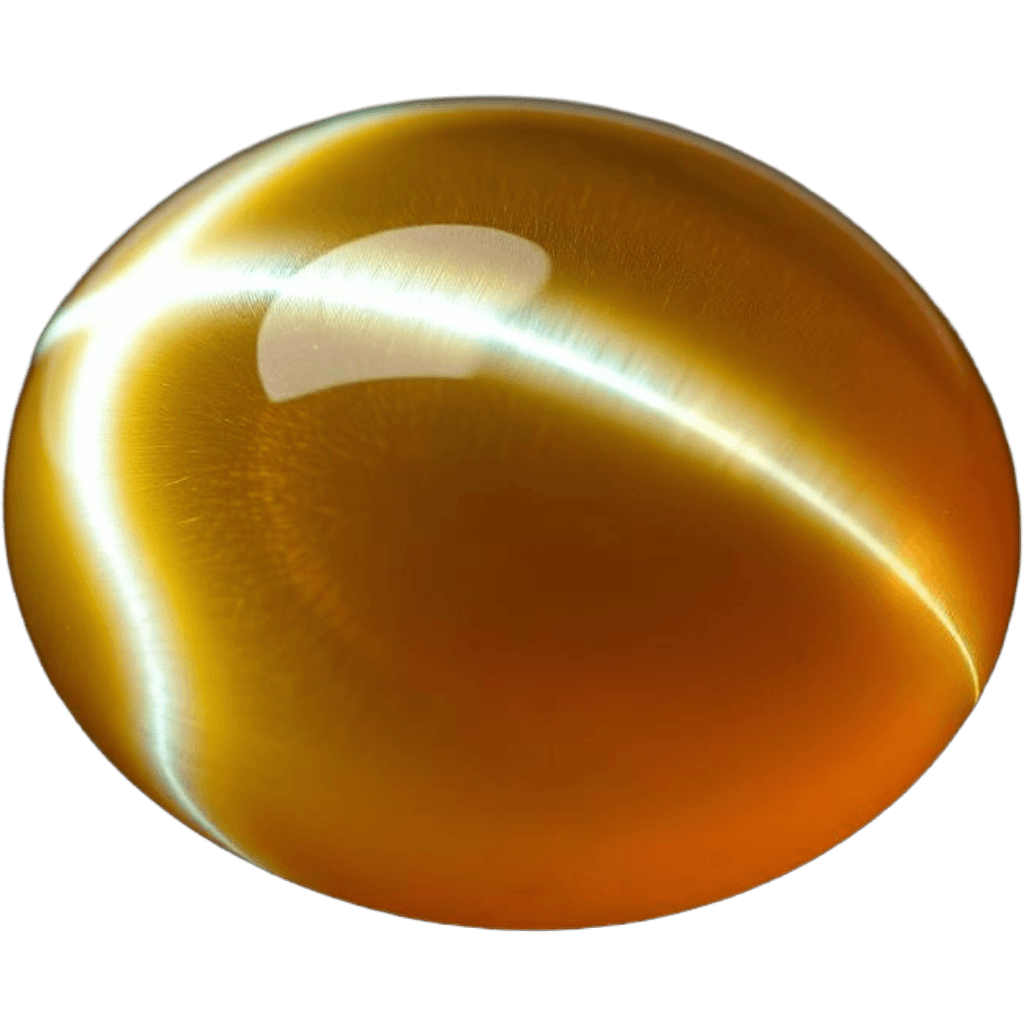
A sharp band of light sweeps across the dome as it turns - chatoyancy at its finest, honey to milk-and-honey.
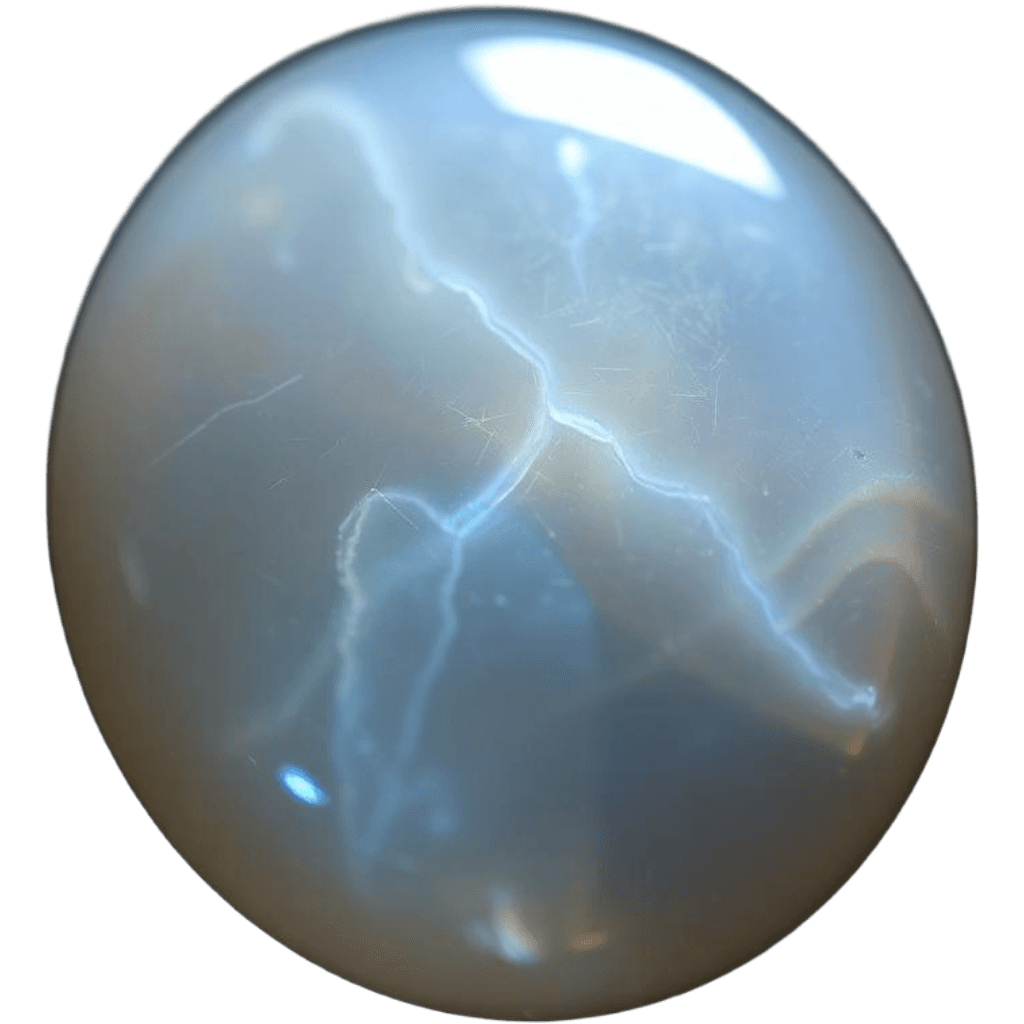
The blue-sheen moonstone of Meetiyagoda floats an inner glow of light across its surface - adularescence.
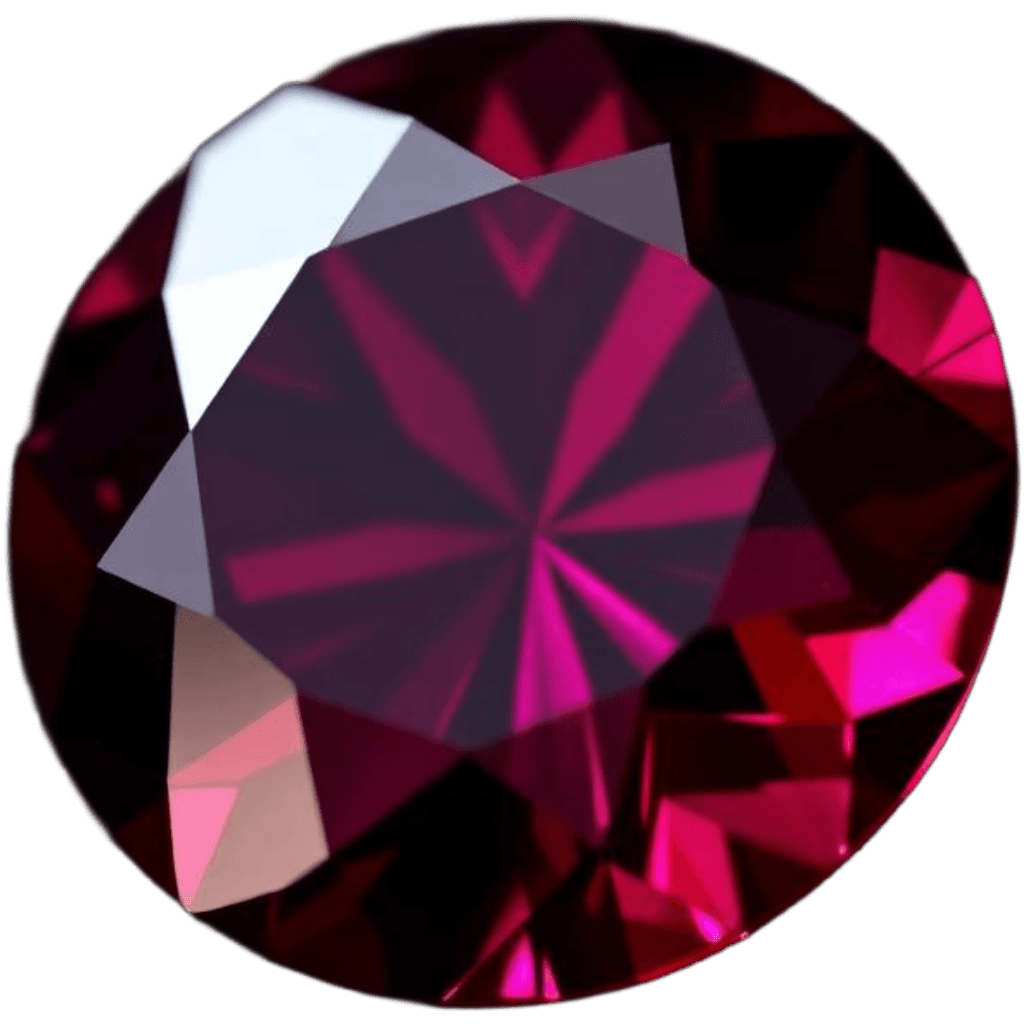
Rhodolite and hessonite in raspberry and cinnamon - brilliant, affordable, and abundantly Ceylonese.
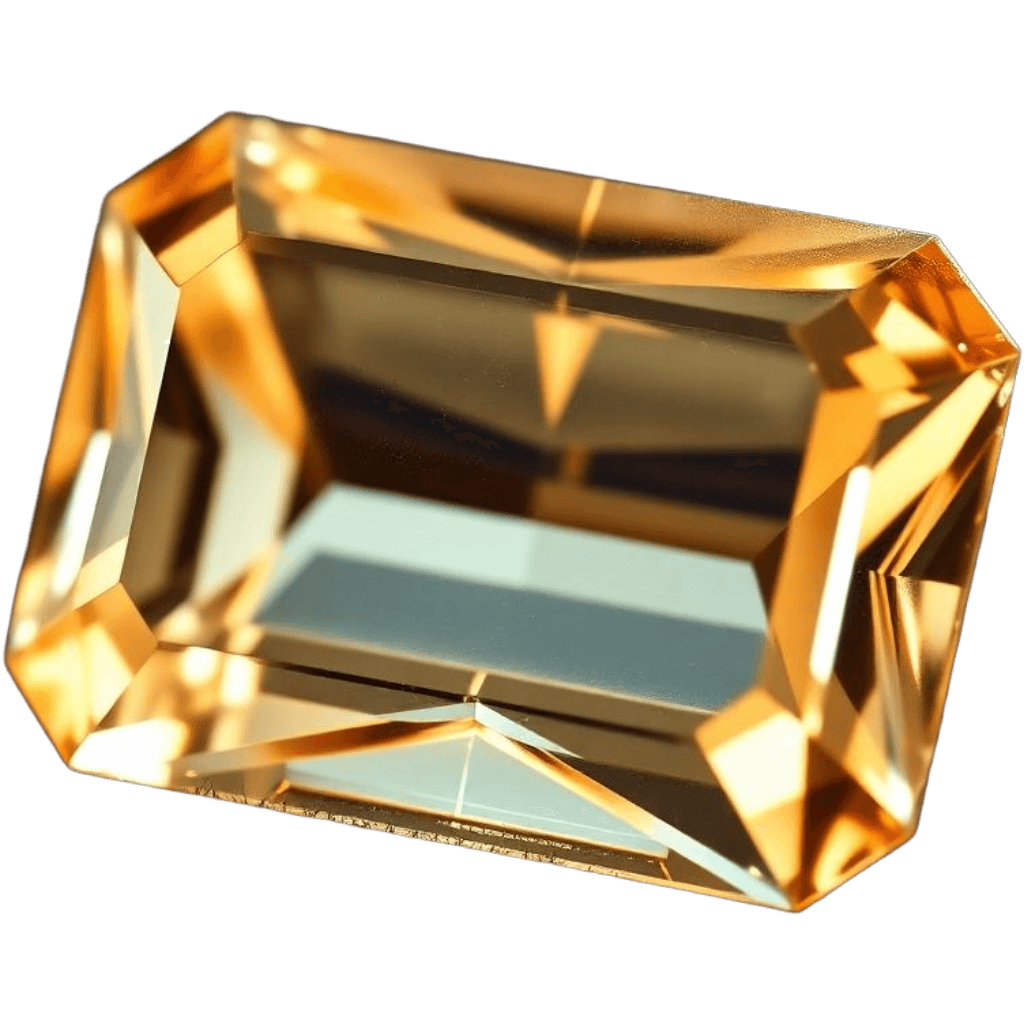
Imperial topaz, cobalt spinel, zircon and more - the deep end of the island's 75-strong gem spectrum.
From gravel seam to certificate
- 01MINED
Hand-dug pits reach the gem-bearing gravel - the illam - in the Ratnapura valley.
- 02WASHED
Gravel is washed and sorted by eye at the river. One basket in hundreds holds a keeper.
- 03CUT
Master cutters shape each stone to hold its deepest colour and best life face-up.
- 04CERTIFIED
An independent lab grades origin, treatment, colour and weight - no self-grading.
- 05OFFERED
Photographed, priced in your currency, and offered to you directly - one conversation.
Four lines that decide a stone's worth
Every Nilvara stone ships with an independent GIA or CSL report. These are the lines that matter most - learn them and you can buy any coloured stone with confidence.
"Sri Lanka (Ceylon)" is the line collectors pay for. Country of origin is opinion-based but lab-backed.
"No indications of heating" is the premium mark. Heat is common and accepted, but unheated commands more.
Trade terms like "royal blue" or "padparadscha" on a report add real value over a plain hue description.
Carat plus millimetre dimensions - so you know if a stone faces up larger or smaller than its weight.
Ready to choose a stone?
Browse the collection, or tell us what you're looking for.